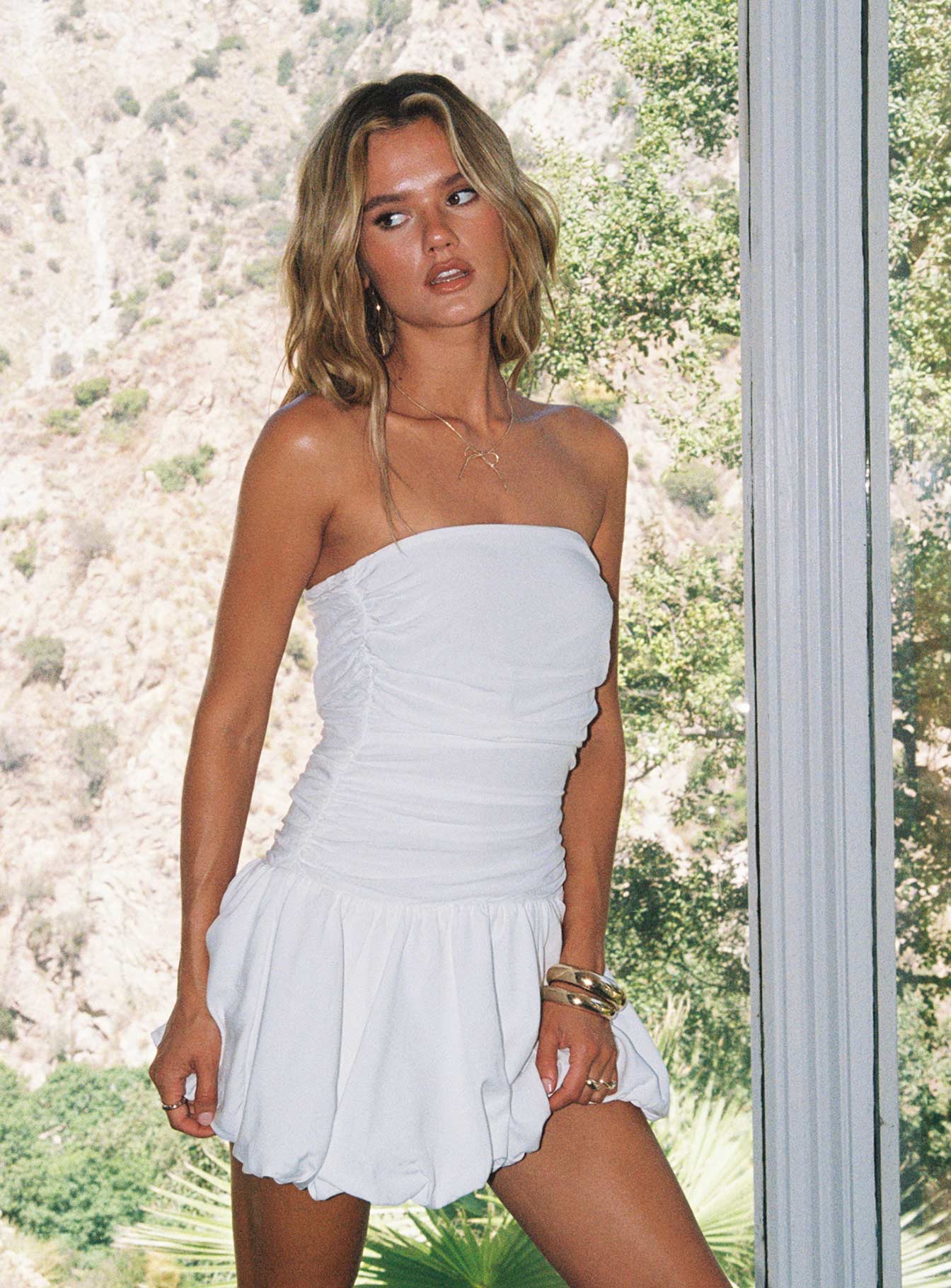
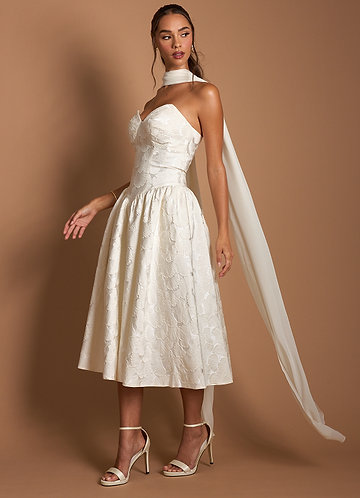
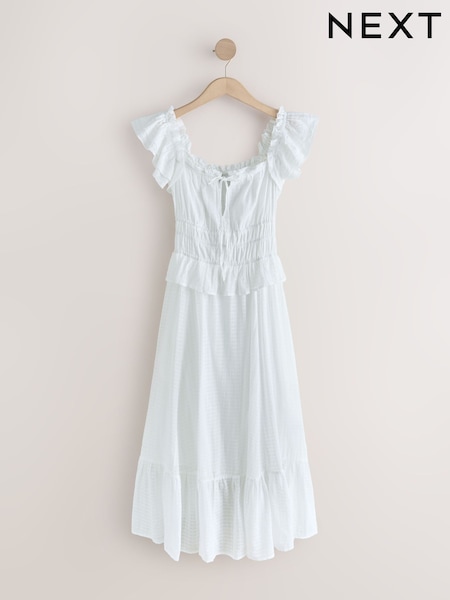
Factor in these costs when choosing fabric for multiple bridesmaids
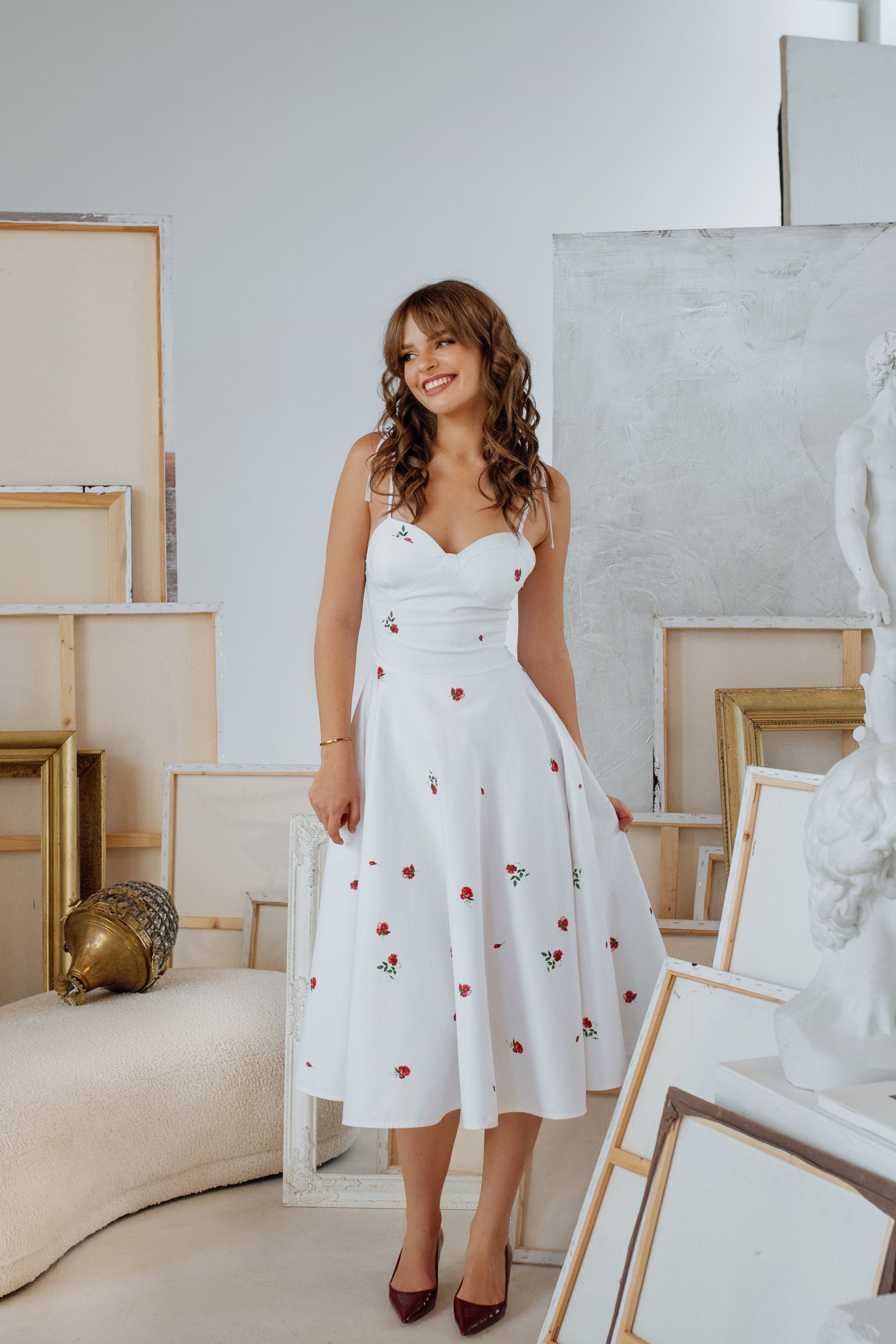
Why Dress Codes Exist: Beyond Arbitrary Rules Before diving into specific definitions, it's worth understanding the fundamental purpose behind dress codes: The Practical Functions Despite occasional frustration, dress codes serve several practical purposes: Setting Expectations : Helping guests feel appropriately dressed for the environment Creating Atmosphere : Contributing to the event's intended mood or formality level Showing Respect : Demonstrating consideration for hosts, cultures, or institutions Practical Guidance : Preventing genuine discomfort from inappropriate attire (e.g., high heels at a beach wedding) The Evolution Factor Modern dress codes continue to evolve with changing social norms: Regional Variations : Significant differences exist between geographic locations Industry Influence : Professional fields maintain varying standards of formality Generational Shifts : Younger generations often interpret traditional codes more flexibly Cultural Factors : Diverse backgrounds contribute different perspectives on appropriateness Traditional Formal Dress Codes: The Classics Decoded These established formal codes have the most specific definitions and expectations: White Tie: Ultimate Formality The most formal dress code, typically reserved for state dinners, elite galas, and extremely formal weddings
Add the mellow miso, rice vinegar, date syrup, minced ginger and garlic
Think long, embellished tunics with slits, paired with palazzo pants or skirts
Should you desire personal assistance with sizing, have questions about customizations, or prefer to place your order by phone, our team is delighted to assist you